2 MIN READBy THE CENTER FOR DEVELOPMENT PROGRAMS IN THE CORDILLERA (CDPC)
www.nordis.net
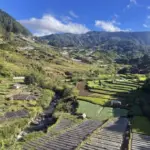
With its deteriorating water quality and the decreasing water yield, the Cordillera as the “Watershed Cradle of the North” is in a grave danger.
Mining tenements within the watershed areas of the Cordillera region continue to pose challenges to the watershed protection of communities and local governments of the region. As 1700 hectares of watersheds are ruined annually (DENR 2009), National Policies on the revitalization of the mining industry would undermine efforts in the rehabilitation and management of deteriorated watersheds.
Historically and to the present, the most destructive economic activity in the region is the mining industry. Its unabated and expanded operation continues to tip the ecological balance in the region’s environment. DENR data related to mining reveals that Financial Technical Assistance Agreement (FTAA) covers an area of 729, 6996.3086 hectares, Mineral Production Sharing Agreement (MPSA) covers an area of 13,167 hectares, and 10, 5222.02 hectares of exploration permits. If all systems go, this huge expanse of land for mining activities would adversely affect the most important ecosystems of the region.
More explorations, extractions and processing of minerals would worsen the already deteriorated environment. Mining will further weaken the capacity of ecosystem to provide ecological services such as fresh water yield and climate regulation. As the mining industry expands to more areas of the region, it would create havoc to interrelated and interdependent ecosystems such as the forests, river and agro-ecosystems. Yet, many communities’ sustainable livelihood depend on these ecosystems.
With the high rate of deforestation in the region, the poor condition of our watersheds cannot effectively replenish our rivers with fresh water yield. Some of the most elaborate rivers such as the Agno and Abra rivers have been contaminated with heavy metals that have been discharged from the mines. The poor condition of the Agno river basin has hampered the transport of sediments and while the San Roque dam generates power, it also serves as an impoundment of mine waste. The decreasing volume of water and its deterioration has brought lower crop yield not only to upland farmers but to many lowland farmers.
While many poor families suffer from the consequences of a deteriorated environment, the situation is compounded by the impact of global warming. Pollution from mine waste and the destruction of our natural resources are environmental destruction on the ground; and yet we have to face the impact of atmospheric pollution-that of climate change. # nordis.net